
Common Obligations
Six shared obligations for AI builders, and a proposal for making them hold across companies and borders without putting the largest labs in charge.
Read more →Technical insights on machine learning, MLOps, AI engineering, and software development. Sharing practical experiences and deep dives into the latest trends in tech.
Six shared obligations for AI builders, and a proposal for making them hold across companies and borders without putting the largest labs in charge.
Read more →
Your AI agent's outputs look composed. Its internal state is desperate. Anthropic's emotion vectors research reveals a second axis of agent drift that output evals can't catch.
Read more →
Digging through five generations of agent frameworks, from raw API loops to federated swarms. How the developer went from outer shell to inner kernel, why each generation compressed faster than the last, and why the cycle is restarting.
Read more →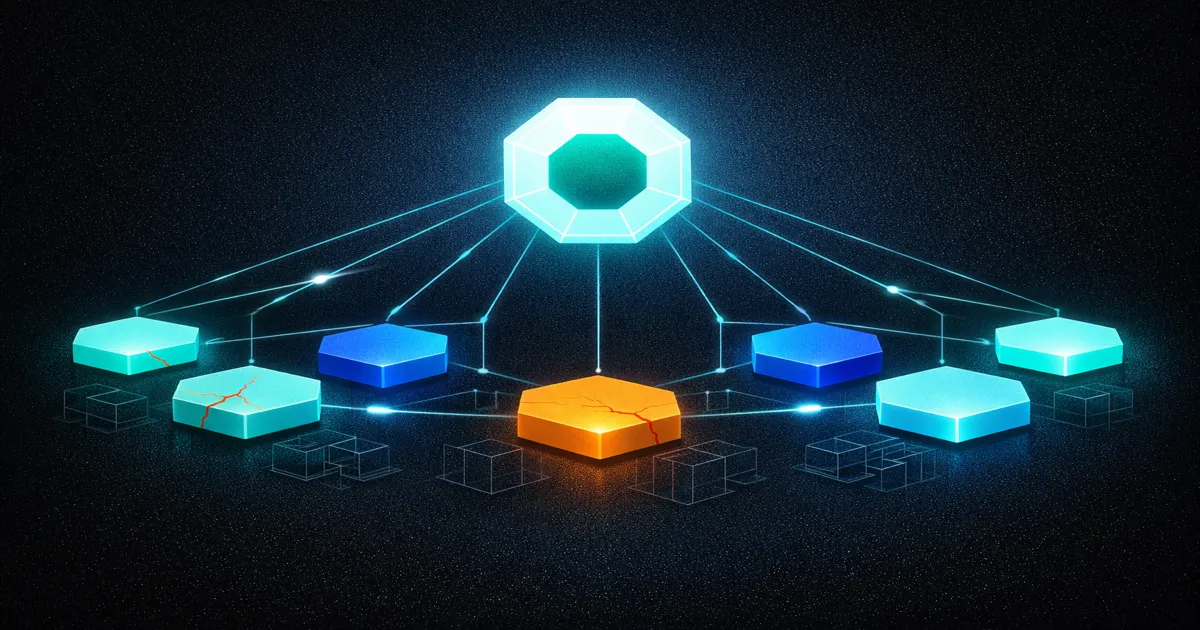
I launched an orchestrator that managed 7 Claude Code peers across repos simultaneously. They found SQL injections, fixed a 9x cost bug, built new features, and shipped 130+ commits while I slept.
Read more →
Agent drift is when autonomous AI agents degrade over long tasks through context pollution, not single failures. What it is, why it happens, how to prevent it.
Read more →
The AI stack is shaped like an hourglass — wide at energy and applications, pinched at chips and GPUs. But the pinch is shifting. Everyone's watching Nvidia; the real chokepoint is one layer below.
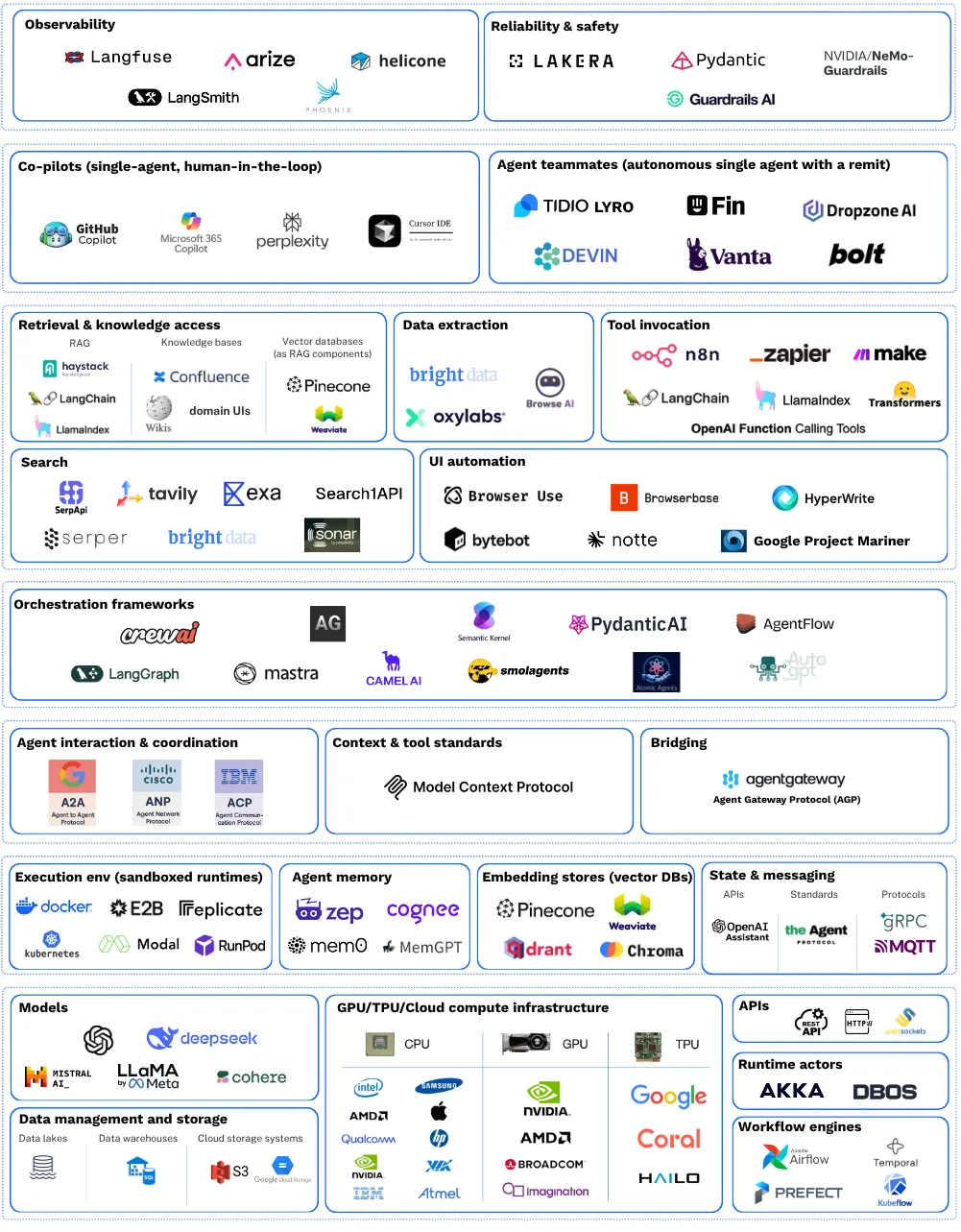
Build AI agents from the inside out — start with behavior in CLAUDE.md, add capabilities via MCP, then wrap in code with the Claude Agent SDK.
Read more →
Repowire is a pull-based mesh network that lets Claude Code sessions communicate across repositories in real-time, replacing stale docs with live agent-to-agent queries.
Read more →
Multi-repo coding agent workflows turn you into the message bus. When work spans repositories, you become the slowdown and the source of errors.
Read more →
Agents are stateful logic, not stateless apps. The cloud primitives — durable execution, agent identity, MCP — that AI agents need to run reliably.
Read more →
AI agent memory management mirrors database design. Agent state needs persistence, retries, and checkpointing — the same problems backend systems solved.
Read more →
Code is becoming a transient artifact — AI-generated bytecode. The future of programming belongs to Architects of Intent, not writers of loops.
Read more →
Torale monitors the web so you don't have to. How ambient AI turns passive monitoring into proactive intelligence — and how Gemini made it possible.
Read more →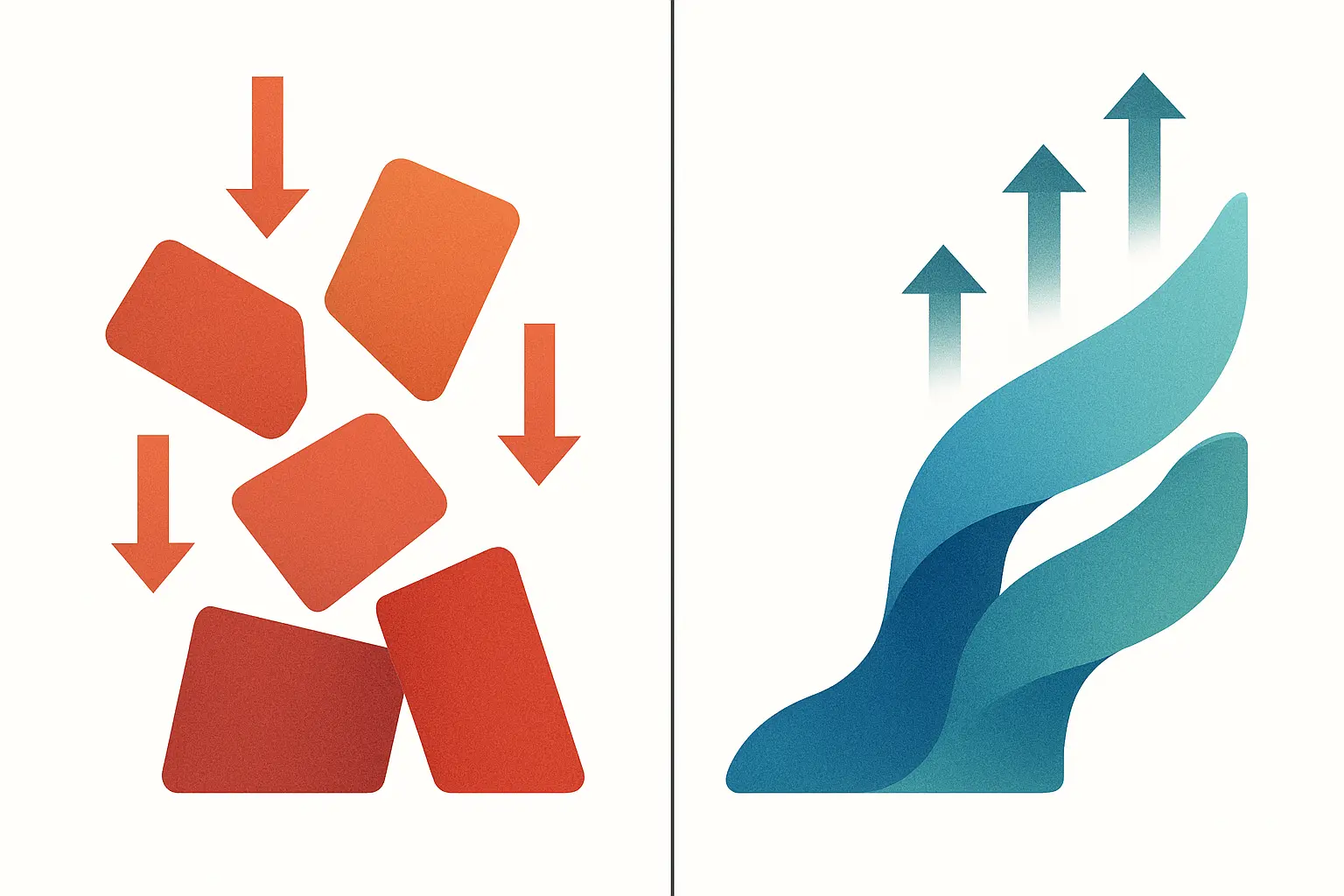
Early architectural decisions create a flywheel effect that accelerates your path to production. Discover the Nimble Flywheel framework for scaling ML.
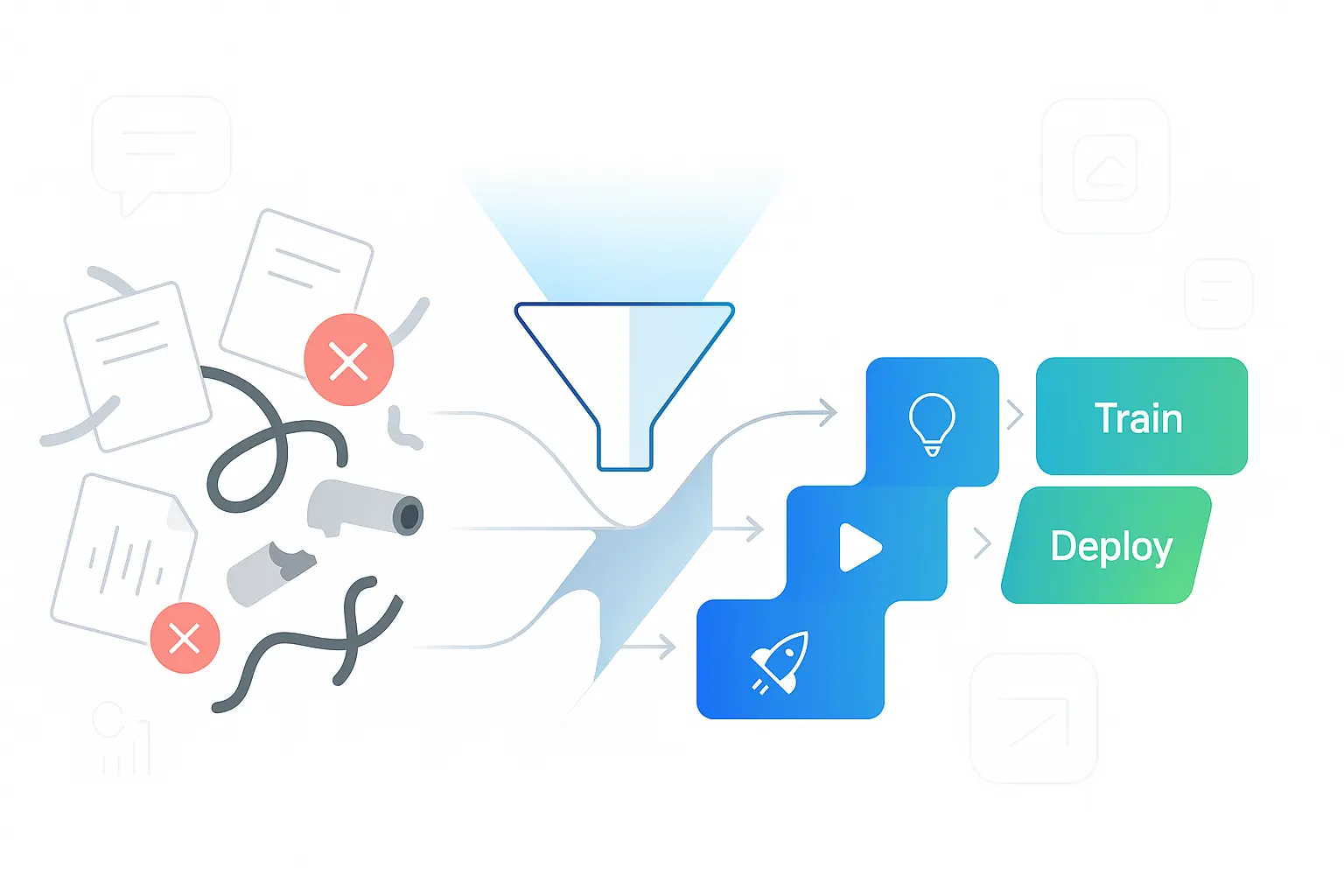
A modality-aware machine learning project template that gets you from idea to training in minutes using uv, Polars, and LitServe for modern ML workflows.
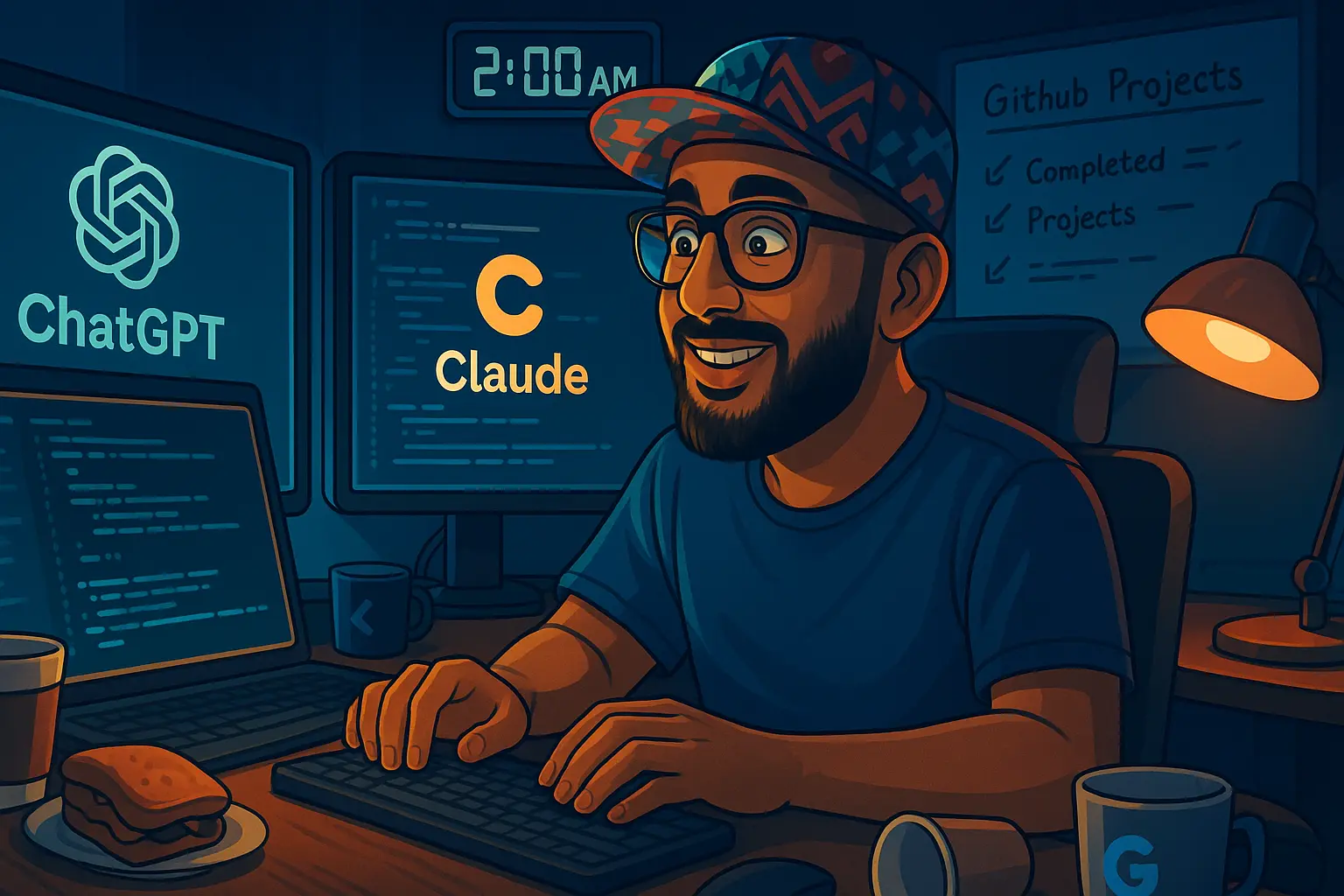
A month with Claude Code: I shipped more projects than ever while paradoxically becoming worse at programming from scratch. Here's what actually happened.
Read more →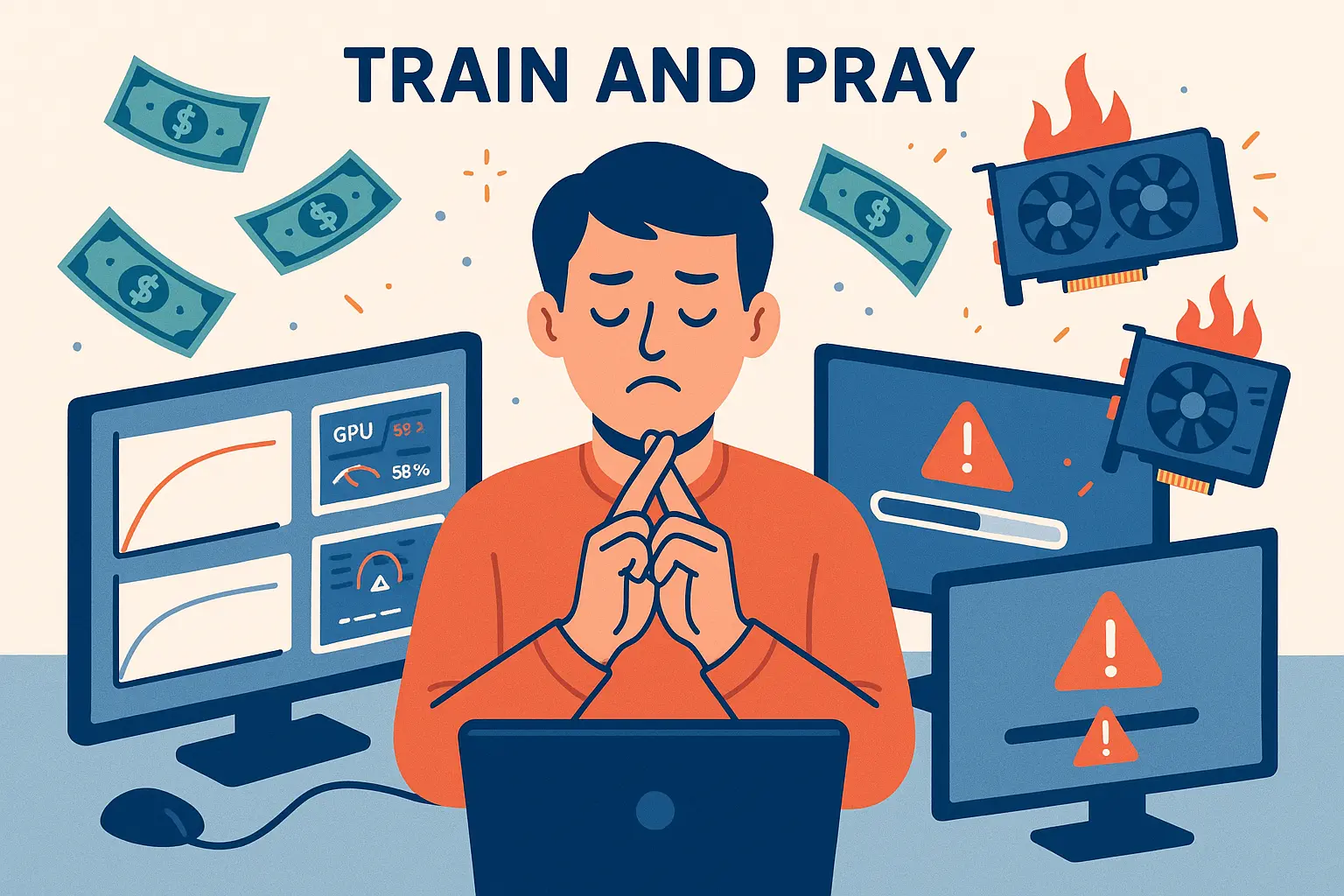
Fix your ML training workflow with the Pre-Flight, In-Flight, Post-Flight framework—catch bugs early, monitor runs, and evaluate beyond vanity metrics.
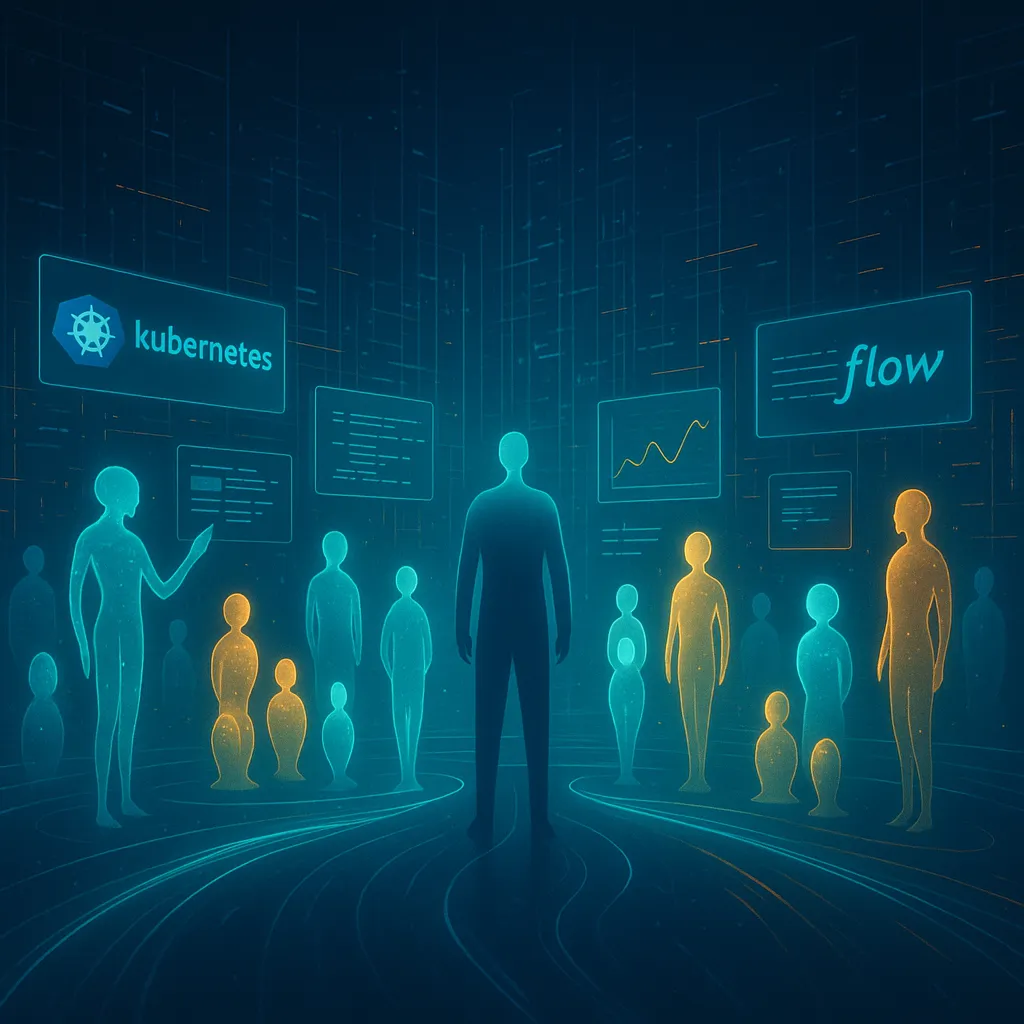
Explore how agentic MLOps uses AI agents and MCP to autonomously handle data drift, model deployment, and ML pipeline orchestration across your entire stack.
Read more →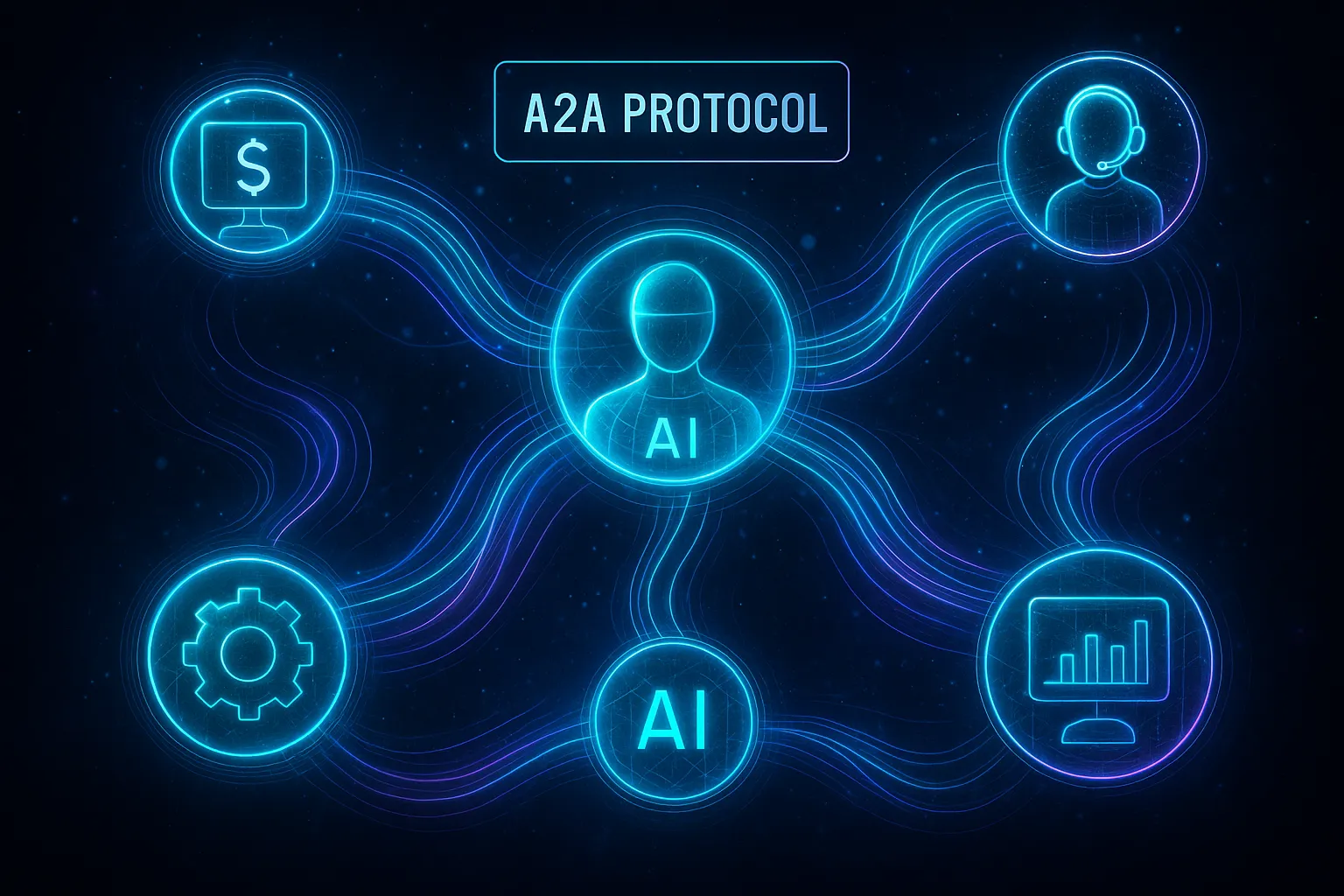
Learn how the A2A Protocol enables secure AI agent communication. Covers Google's open standard, MCP differences, authentication, monetization, orchestration, and Python examples.
Read more →
Six shifts define tech trends next decade: Autonomous Economy, Radical Abstraction, Composability, Ecosystem Dynamics, Ambient Intelligence, Next-Gen UX.
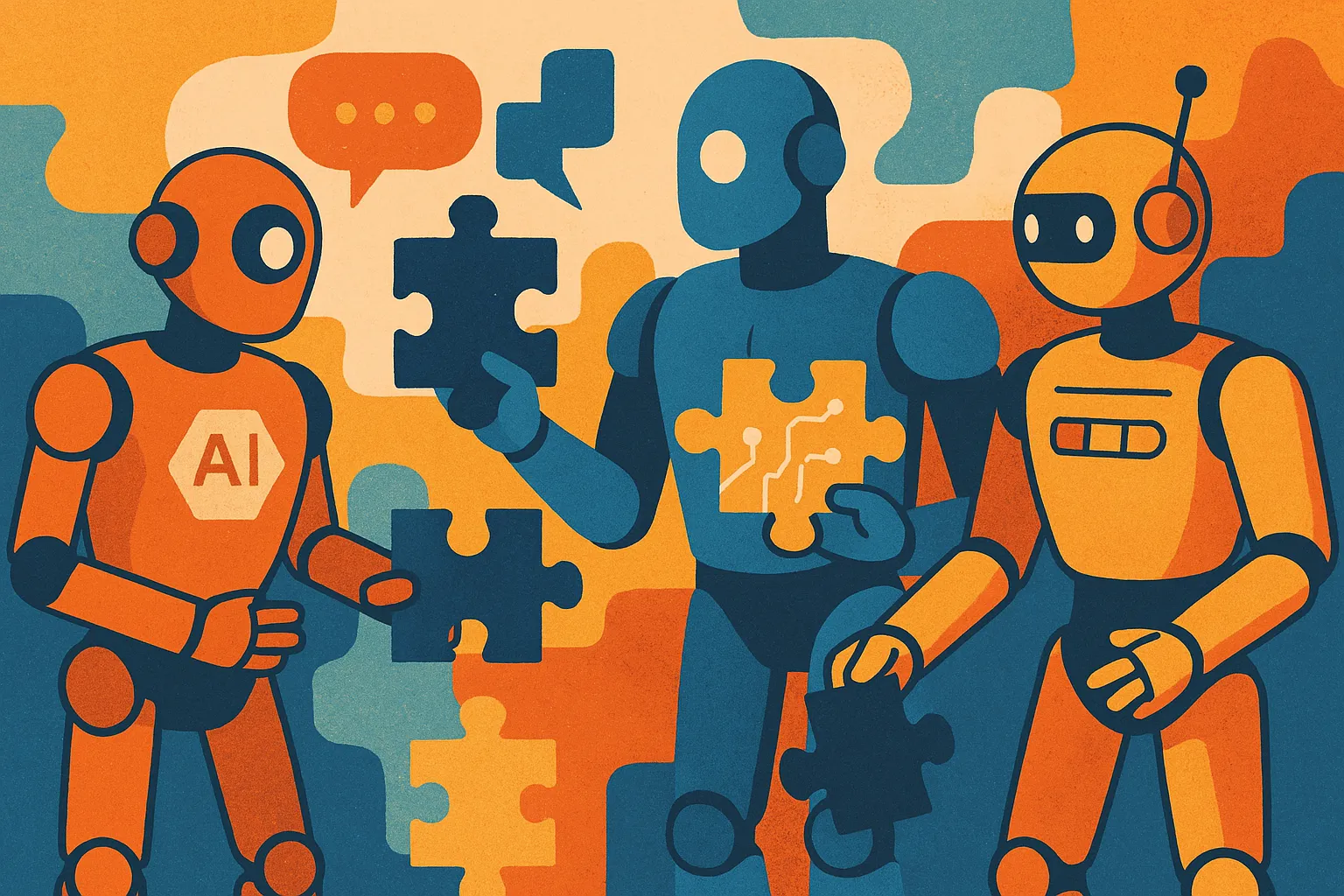
A practical comparison of AI agent frameworks — OpenAI Agents SDK, Google ADK, AWS Bedrock, and Smol Agents — covering architecture, multi-agent systems, and emerging trends.
Treating ML experiments as disposable runs undermines reproducibility and model quality. Learn why experiment tracking belongs in MLOps infrastructure.
Read more →
Scale ML models faster with the right training infrastructure. Covers distributed training, GPU clouds, spot instances, and cloud-agnostic setups.
A decision framework for when to invest in MLOps at your startup — from early-stage flexibility through scaling infrastructure at each growth stage.

Building tech products for India from first principles—local habits, scale, price sensitivity, and cultural diversity require a full ground-up rethink.

How the histories of full stack web development and machine learning converged to create the full stack machine learning engineer role.
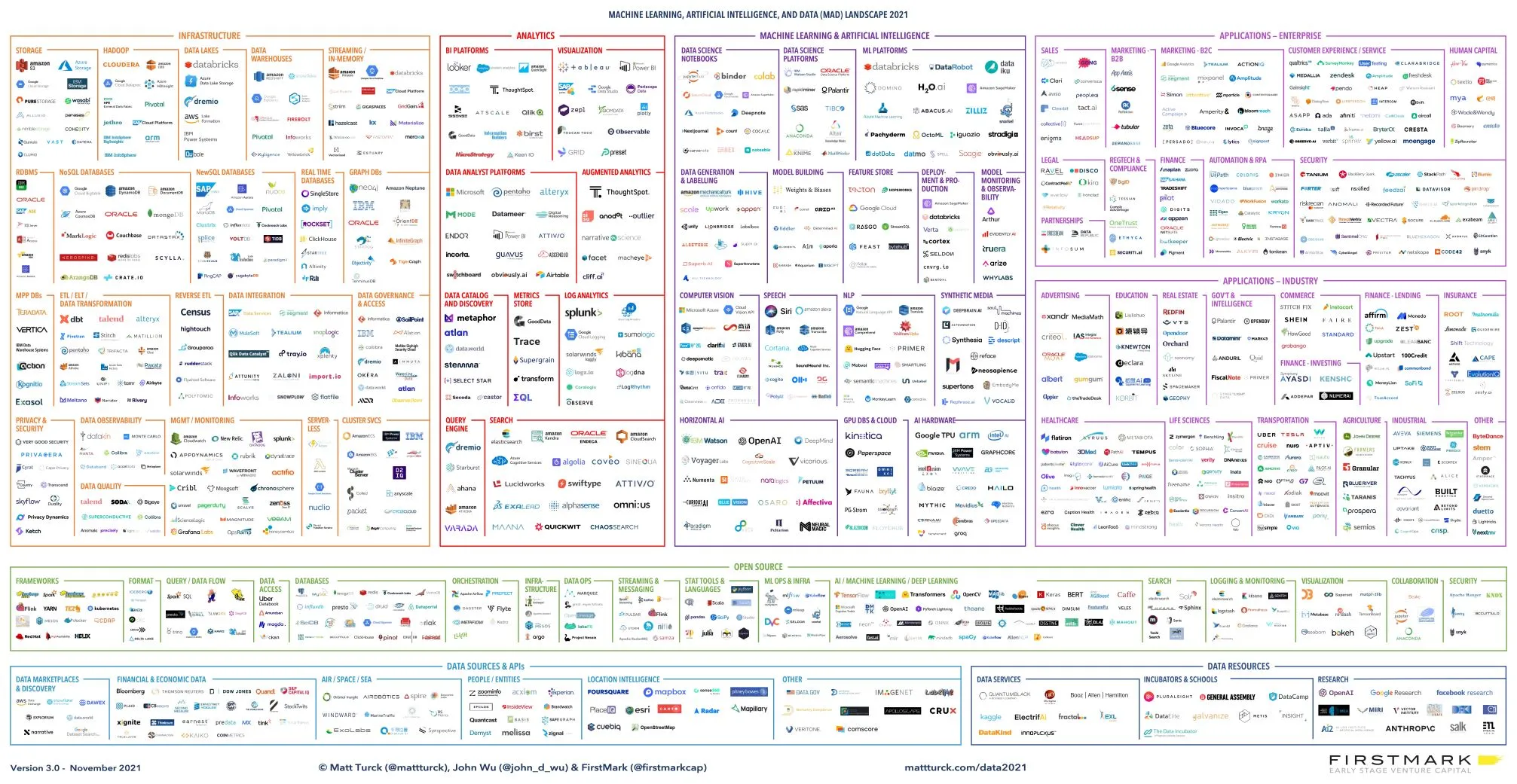
The ML ecosystem mirrors JavaScript's 2015 framework chaos. I map the fragmentation layers and share how I tackled it by building torchwebio.
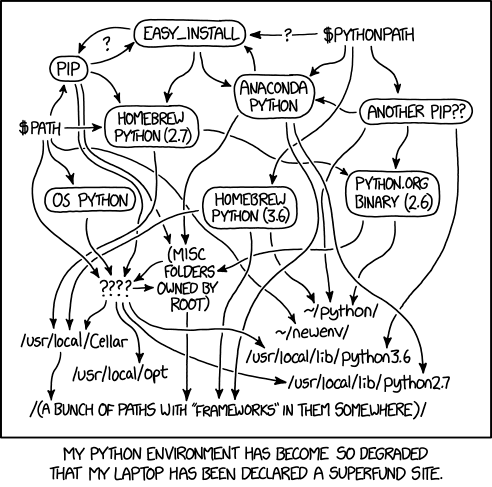
Compare pipenv vs pyenv and learn how combining both tools solves Python version management and dependency isolation in one workflow.